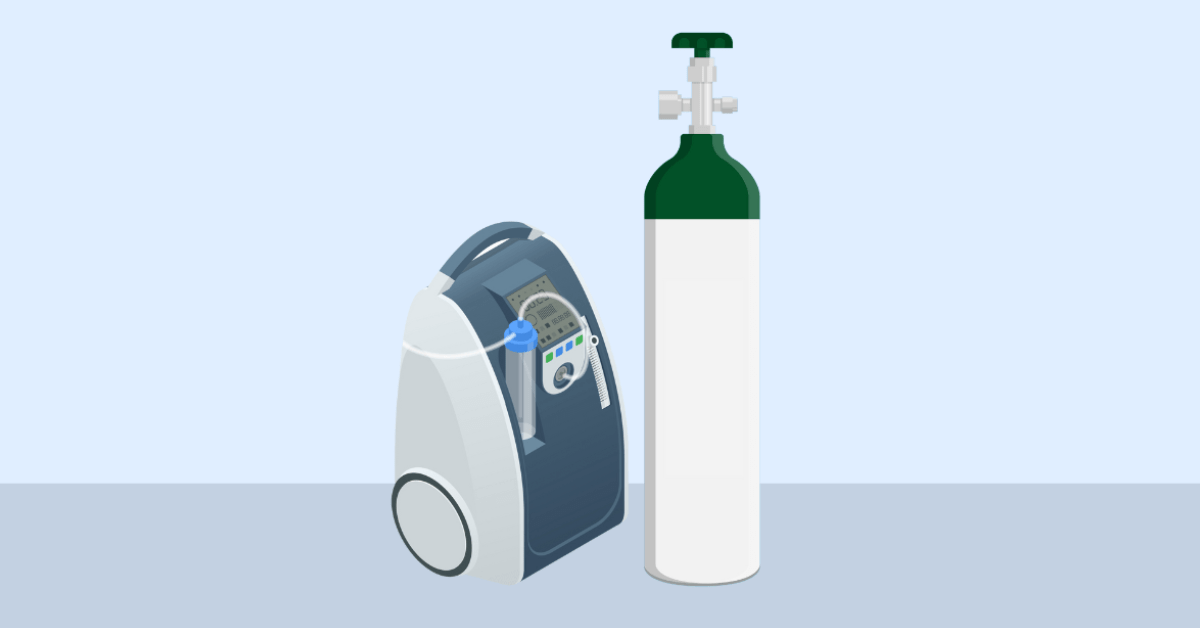
Oxygen therapy plays a vital role in the treatment and management of various respiratory conditions, including chronic obstructive pulmonary disease (COPD), asthma, pneumonia, lung infections, post-surgical recovery, and other medical situations where a patient experiences low blood oxygen levels. When oxygen support is required, two of the most commonly used options are oxygen concentrators and oxygen cylinders. While both serve the same primary purpose of supplying oxygen to patients, they differ significantly in terms of functionality, convenience, maintenance, portability, cost, and suitability for different medical situations. Understanding the differences between these two oxygen delivery systems can help patients, caregivers, and healthcare providers make informed decisions based on individual healthcare needs.
An oxygen concentrator is a medical device that extracts oxygen directly from the surrounding air. Since the atmosphere contains approximately 21% oxygen, the concentrator draws in ambient air, removes nitrogen and other gases through specialized filtration systems, and delivers concentrated oxygen to the patient. Unlike traditional oxygen cylinders, a concentrator does not store oxygen. Instead, it continuously generates oxygen as long as it remains connected to a power source. This makes oxygen concentrators highly practical for patients who require long-term oxygen therapy at home. Modern oxygen concentrators are designed with advanced technology, user-friendly controls, and safety features that allow patients to receive a consistent oxygen supply without the need for frequent refilling.
On the other hand, an oxygen cylinder is a storage container filled with compressed medical-grade oxygen. The oxygen is stored under high pressure and released through a regulator that controls the flow rate according to the patient's prescribed requirements. Oxygen cylinders have been used for decades in hospitals, ambulances, emergency medical services, and home healthcare settings. They are especially valuable in emergency situations because they provide an immediate source of oxygen without requiring electricity. Once the oxygen supply inside the cylinder is depleted, however, the cylinder must be refilled or replaced before it can be used again. This dependence on refilling services can sometimes create logistical challenges for patients who need uninterrupted oxygen therapy.
One of the most significant differences between oxygen concentrators and oxygen cylinders is their source of oxygen. Oxygen concentrators generate oxygen continuously from ambient air, while cylinders contain a fixed amount of pre-filled oxygen. This means that concentrators can theoretically provide an unlimited oxygen supply as long as power is available. Cylinders, however, have a limited capacity and can run out, particularly if high oxygen flow rates are required. For patients who need oxygen support for extended periods every day, concentrators often provide greater convenience and reduce the stress associated with monitoring oxygen levels and arranging refills.
Portability is another important factor when comparing these two options. Traditional oxygen cylinders can be heavy and cumbersome, particularly larger units designed for extended use. Transporting them may require additional effort and proper handling due to the compressed gas they contain. Portable oxygen cylinders are available, but they still offer a limited oxygen supply and need regular replacement. Portable oxygen concentrators have become increasingly popular because they are lightweight, compact, and designed specifically for active patients who wish to maintain mobility while receiving oxygen therapy. Many portable concentrators include rechargeable batteries, allowing users to travel and perform daily activities with greater independence.
Cost considerations often influence the decision between an oxygen concentrator and an oxygen cylinder. The initial purchase cost of an oxygen concentrator is generally higher than that of a cylinder. However, over the long term, concentrators can prove more economical because they do not require regular refills. Once purchased, ongoing expenses are primarily related to electricity consumption and routine maintenance. Oxygen cylinders may appear less expensive initially, but recurring refill costs can accumulate significantly over time, particularly for patients who require continuous oxygen therapy. Therefore, for long-term usage, many patients and healthcare providers consider oxygen concentrators to be a more cost-effective solution.
Maintenance requirements also differ considerably between the two systems. Oxygen concentrators require periodic cleaning of filters, routine inspections, and occasional servicing to ensure optimal performance. Proper maintenance helps maintain oxygen purity and extends the lifespan of the equipment. Oxygen cylinders generally require less maintenance from the user's perspective but must be handled carefully and inspected regularly for safety. Since cylinders contain oxygen under high pressure, improper handling can pose risks. Healthcare providers and oxygen suppliers typically follow strict safety standards when filling, transporting, and storing oxygen cylinders.
In terms of emergency preparedness, oxygen cylinders often have an advantage because they can function immediately without electricity. During power outages, natural disasters, or emergency medical transport situations, cylinders provide a reliable backup oxygen source. This is one reason why ambulances, hospitals, and emergency response teams commonly carry oxygen cylinders. Many healthcare professionals recommend that patients who rely on oxygen concentrators also maintain a backup oxygen cylinder in case of power interruptions or equipment malfunctions. Having both systems available can provide an additional layer of safety and preparedness.
When it comes to oxygen flow rates and medical requirements, the choice between a concentrator and a cylinder depends largely on the patient's condition. Some patients require low to moderate oxygen flow rates for long-term therapy, making concentrators an excellent option. Others may require high-flow oxygen support, intensive care transportation, or emergency oxygen administration, situations where cylinders may be more suitable. Healthcare professionals evaluate factors such as oxygen saturation levels, mobility needs, duration of therapy, and overall medical condition before recommending the most appropriate oxygen delivery system.
Ultimately, the decision between an oxygen concentrator and an oxygen cylinder should be based on medical advice, lifestyle considerations, treatment duration, mobility requirements, and emergency preparedness needs. Oxygen concentrators offer convenience, continuous oxygen production, and cost savings for long-term use, while oxygen cylinders provide reliability, portability in emergencies, and independence from electrical power sources. Both options play a critical role in modern respiratory care, and understanding their strengths and limitations can help patients receive safe, effective, and uninterrupted oxygen therapy whenever it is needed.